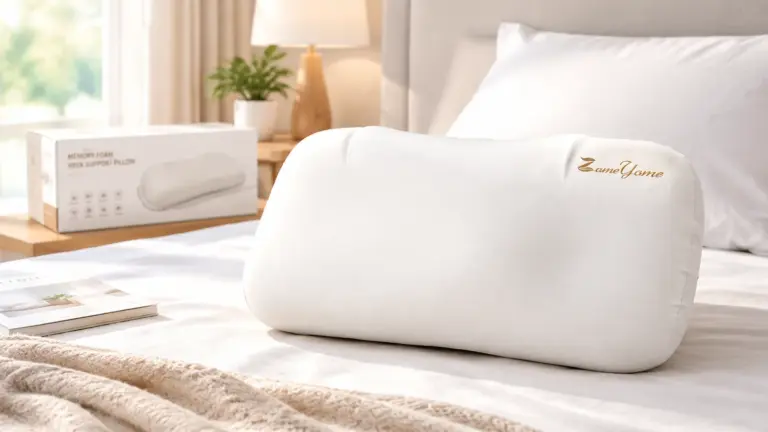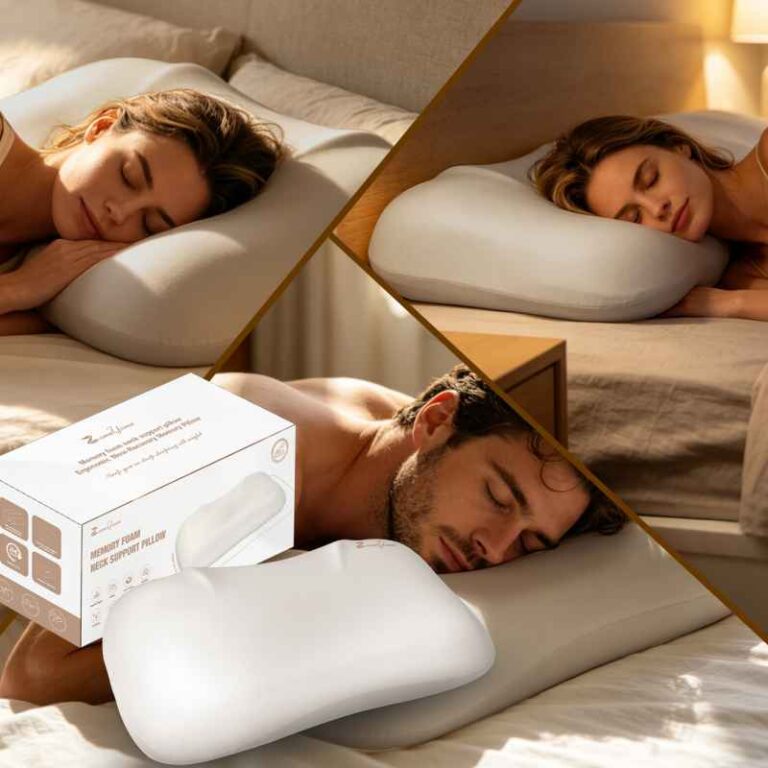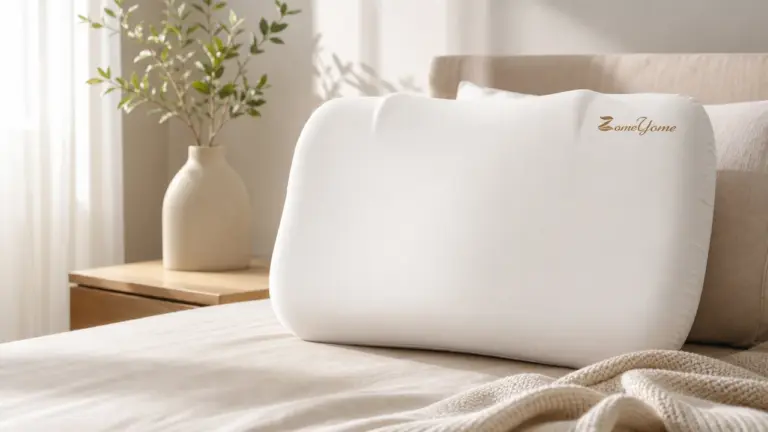

what is a cervical neck pillow selection should start with the job requirements, measurement conditions, material trade-offs, accessory fit, and supplier proof. This guide summarizes the key checks before buying.
Table of Contents
what is a cervical neck pillow: Key Buying Factors
A cervical neck pillow is a sleep pillow shaped to support the neck, head, and shoulders in a more stable position than a conventional flat pillow. The word cervical refers to the cervical spine, which is the upper section of the spine in the neck. By filling the space beneath the neck while keeping the head from sitting too high or too low, a cervical support pillow can help create a more neutral sleeping posture.
For shoppers in the United States, the practical question is not simply whether a pillow is labeled ergonomic. It is whether its loft, contour, and feel match the way they sleep. Start by identifying your main sleep position before comparing pillow designs.
What Is a Cervical Pillow, Exactly?
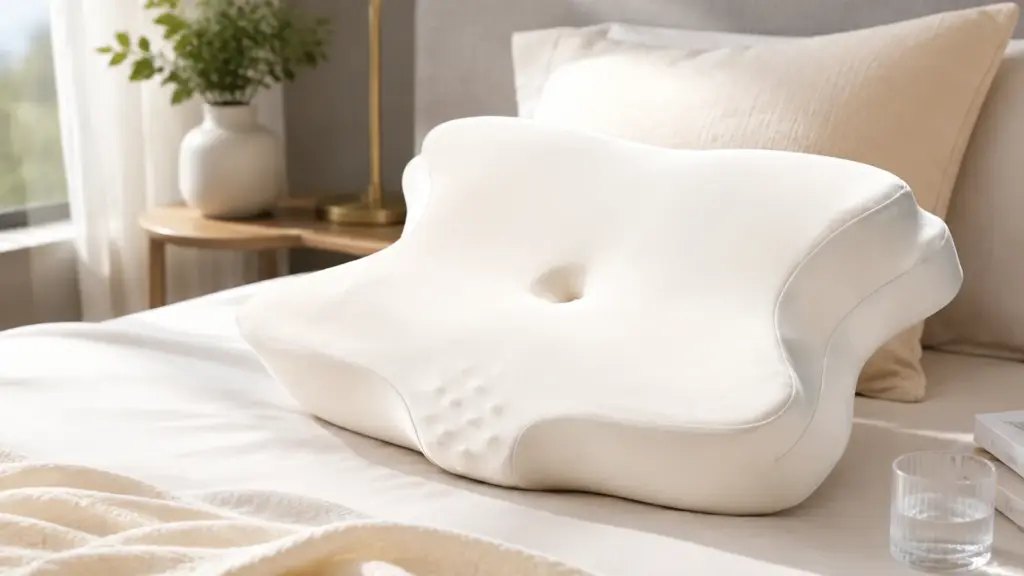
A cervical pillow, also called an orthopedic pillow or ergonomic neck support pillow, is designed around the natural curve of the neck. Many styles use raised edges, a lower center, or a molded neck roll. This structure is intended to support the cervical spine while allowing the head to rest in a more level position.
A regular bed pillow often compresses unevenly or creates a single flat surface. In contrast, a contoured cervical pillow separates head support from neck support. That distinction matters when you wake with stiffness, shoulder tension, or the feeling that your pillow has lost its shape overnight. Check your current pillow first: if your head tilts noticeably up or down when lying on your back, its loft may not suit you.
Why Cervical Spine Alignment Matters During Sleep
During sleep, the head, neck, and upper back should remain reasonably aligned with one another. A pillow that is too tall may push the chin toward the chest, while one that is too low can leave the neck unsupported. Either situation may contribute to morning discomfort for some sleepers.
Cervical pillows aim to manage this gap through a shaped support area. The goal is comfort and posture support, not a medical cure. Persistent, severe, or injury-related neck pain should be assessed by a qualified healthcare professional. As a practical step, use your mattress and sleeping position as part of the fit assessment because pillow performance changes on softer versus firmer sleep surfaces.
How Does a Cervical Neck Pillow Work?
A well-fitted ergonomic neck pillow distributes support across the head, neck, and shoulder area. The neck rests on a raised section, while a central depression or lower zone can help keep the head from rolling excessively. This can be especially useful for back sleepers and side sleepers who want more consistent neck alignment sleep support.
Contour Design and Support Zones
Contour pillows commonly feature two raised sides with a lower center. The higher side may suit broader shoulders or side sleeping, while the lower side may work better for back sleeping. Some designs also include arm channels or extended side sections for sleepers who place an arm under or beside the pillow.
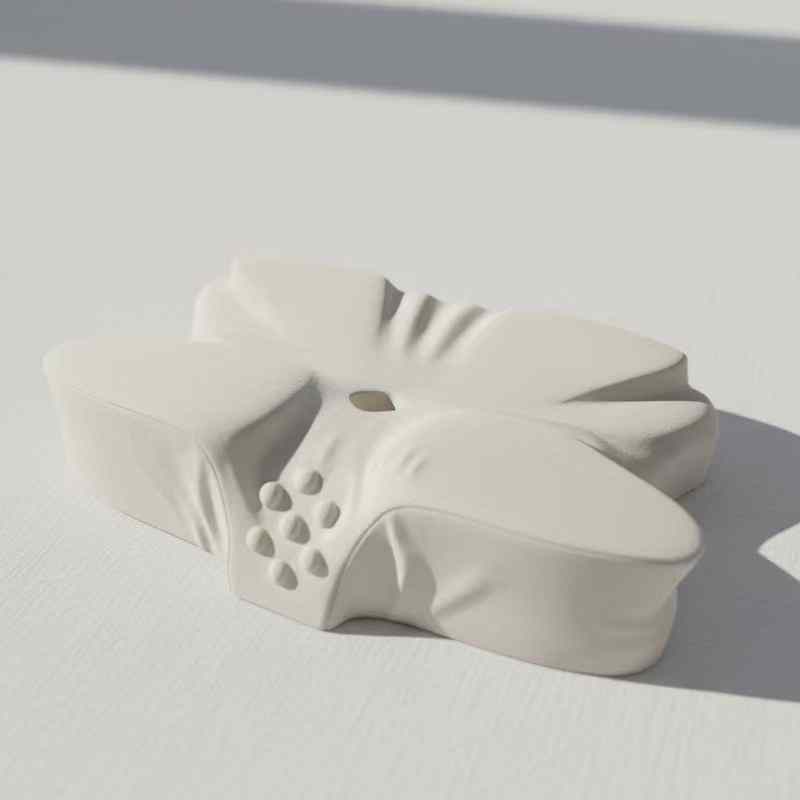
ZomeYome’s ergonomic butterfly cervical pillow uses a central concave area to stabilize the head and butterfly-shaped side sections to provide added room for side sleepers’ arm placement. Its form is designed to support the head, neck, and shoulders while helping users maintain a more neutral posture. Choose a contour height that lets your neck feel supported without forcing your head forward.
Common Types of Cervical Pillows
Cervical support is available in several forms. Shape affects positioning, while fill material affects pressure response, temperature feel, and durability. The following comparison can help narrow the options.
| Type | Typical Design | Best Suited For | Considerations |
|---|---|---|---|
| Contour pillow | Raised edges with a lower center cradle | Back and side sleepers | Needs the right height to avoid overextension |
| Cervical roll pillow | Rounded neck roll or insert | Back sleepers seeking targeted neck fill | May feel too firm or narrow for some users |
| Adjustable cervical pillow | Removable fill or height layers | Combination sleepers | Requires setup time and periodic adjustment |
| Memory foam cervical pillow | Molded or slow-response foam contour | Sleepers who prefer a close-fitting feel | Heat retention and firmness vary by construction |
| Latex cervical pillow | Resilient, responsive molded support | Sleepers who prefer quicker bounce | Usually feels less conforming than memory foam |
Memory foam can contour closely around the neck, while latex generally rebounds faster after movement. Breathable construction and moisture-wicking covers can also matter for hot sleepers. Focus on support consistency first, then select the material feel you are most likely to use every night.
Which Sleep Position Works Best?
Back and side sleeping are generally the easiest positions for a cervical pillow because the shape can support the neck without adding excessive height under the head. Stomach sleeping is more difficult to accommodate because rotation of the head may strain the neck regardless of pillow type.
Back Sleepers
Back sleepers typically need moderate support under the neck and a lower cradle under the head. A large pillow stack can push the head forward, so one properly fitted cervical pillow is often a better starting point. Test the lower contour first and adjust only after several nights of use.
Side Sleepers
Side sleepers need enough loft to fill the distance between the mattress and the side of the head. Shoulder width, mattress firmness, and body frame all affect this distance. A pillow with supportive side wings or a higher contour can help, provided the head remains level rather than angled toward the mattress or ceiling.
Stomach Sleepers
Stomach sleepers often do better with a very low-loft option or by gradually moving toward a side-oriented position. A high contour can make head rotation more pronounced. If you continue to sleep on your stomach, prioritize minimal height and avoid forcing a cervical roll beneath the neck.
Potential Benefits and Realistic Expectations
A cervical neck pillow may improve comfort for people whose current pillow does not support their neck well. Some users choose one to address sleep-position discomfort, frequent tossing, or morning stiffness. Individual results vary because mattress firmness, sleep habits, prior injuries, and pillow fit all influence the outcome.
- More defined support under the neck than a flat pillow may provide.
- A shaped center can help limit excessive head movement for some sleepers.
- Appropriate loft may help keep the head and neck in a more neutral position.
- Breathable materials or covers may improve comfort for people who sleep warm.
- Side-support features can offer a more organized resting area for the shoulder and arms.
Independent shopping guidance also emphasizes matching pillow construction to sleeping position and individual comfort preferences. See this independent overview of pillows for neck pain for additional product-category context. Give a new pillow a short adjustment period, but stop using it if it consistently worsens discomfort.
How to Choose the Right Cervical Support Pillow
The best cervical pillow is not automatically the firmest or most deeply contoured model. It should hold its shape well enough to support the neck while remaining comfortable for your preferred sleeping position.
- Identify your primary sleep position, even if you change positions overnight.
- Assess your shoulder width and mattress firmness to estimate the loft you need.
- Choose contour depth carefully: deeper cradles may feel stable but can restrict comfortable movement.
- Compare material response, especially if you prefer slow-conforming memory foam or responsive latex.
- Consider temperature management, removable covers, and care requirements for daily use.
- Use the pillow consistently for several nights before making a final fit decision.
For more detailed selection criteria, review ZomeYome’s cervical support pillow guide. Measure comfort by how your neck feels on waking, not by the appearance of the contour alone.
Care and Replacement Considerations
Follow the care label for the pillow and its cover. Foam cores are commonly spot-cleaned rather than machine-washed, while removable covers may have separate laundering instructions. Keep the pillow dry, allow it to air out after cleaning, and use a protective pillowcase that does not distort the contour.
Replace a cervical pillow when it no longer returns to shape, develops permanent compression, or no longer provides comfortable support. Replacement timing depends on material, care habits, and nightly use rather than a single universal schedule. Reassess your loft whenever you change mattresses or notice a sustained change in comfort.
FAQ
Frequently Asked Questions
Can a cervical neck pillow help with neck pain?
A cervical neck pillow may help some people whose discomfort is linked to poor pillow height or inadequate neck support. It cannot diagnose or treat an underlying condition. Seek clinical advice for severe pain, numbness, weakness, pain after an injury, or symptoms that persist.
What is the difference between a cervical pillow and an orthopedic pillow?
Cervical pillow is a specific term for a pillow designed to support the neck and cervical spine. Orthopedic pillow is a broader category that may include cervical pillows as well as pillows designed for other posture or pressure-relief needs.
How long does it take to adjust to a cervical pillow?
Some sleepers adapt in a few nights, while others need longer. The contour may feel unfamiliar at first because it holds the neck differently than a standard pillow. Start with the lower contour when back sleeping and reassess if discomfort continues.
Can stomach sleepers use a cervical support pillow?
They can, but a prominent contour is often less suitable for stomach sleeping because the head is turned to one side. A low-loft pillow is generally the more practical choice for this position.
What material is best for a cervical pillow?
There is no single best material. Memory foam offers close contouring, while latex provides more responsive support. Choose based on the firmness, temperature feel, and movement response that help you sleep comfortably.
Will a cervical pillow stop snoring or treat sleep apnea?
A pillow should not be considered a treatment for sleep apnea. Snoring and breathing concerns can have many causes. Consult a healthcare professional if snoring is loud, persistent, or accompanied by gasping, choking, or daytime sleepiness.
Discuss Your What Is A Cervical Neck Pillow Requirements
Looking for a contoured option that supports back and side sleeping? Explore the ZomeYome contour pillow guide to understand how its butterfly-shaped support zones are designed for the head, neck, shoulders, and arms.