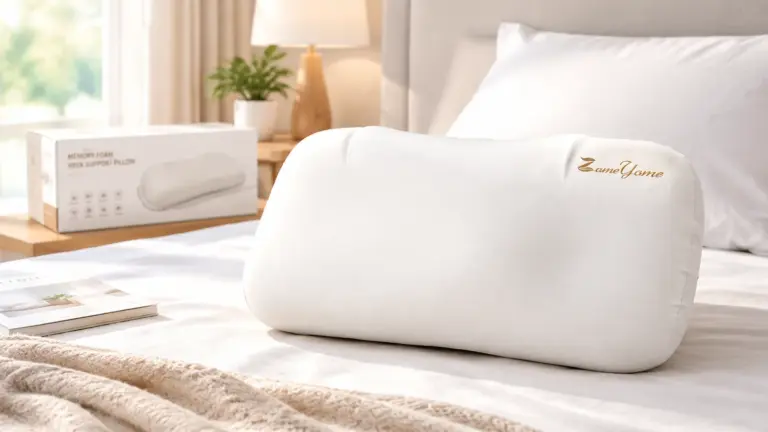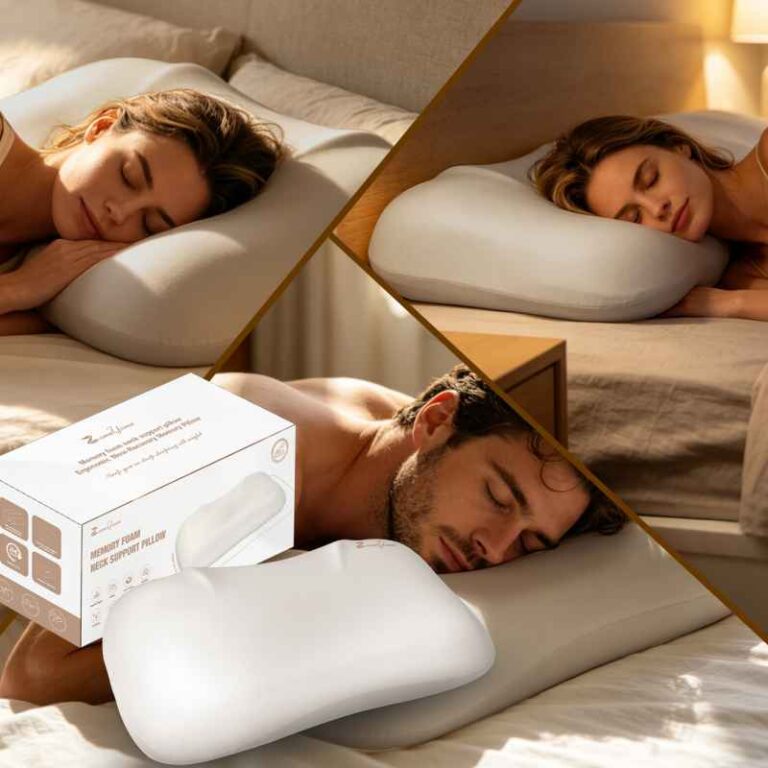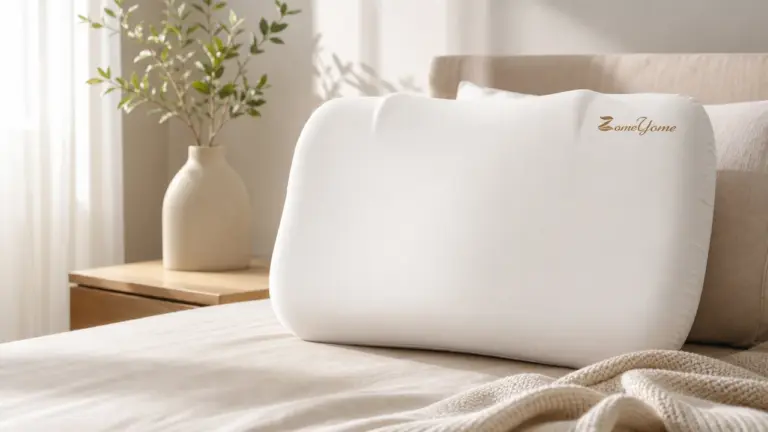

In today’s fast-paced world, getting enough sleep is no longer the only goal. More people are beginning to focus on sleep quality, sleeping posture, comfort, and deeper rest. From late-night screen time to long working hours, many factors can make it difficult to fall asleep or stay comfortable throughout the night.
As consumers look for simple ways to improve their bedtime environment, Deep Sleep Pillow is gaining attention as a practical sleep-support product. Instead of treating a pillow as nothing more than soft bedding, modern sleepers are increasingly considering how pillow height, shape, firmness, material, and neck support can influence nighttime comfort.
Recent sleep-product trends also show growing interest in products designed to upgrade the overall sleep experience, with pillows remaining one of the most accessible changes people can make to their bedroom setup.
Why Are More People Paying Attention to Sleep Quality?
For many people, the problem is not simply “not enough hours in bed.” You can spend seven or eight hours in bed and still wake up feeling tired if your sleeping environment is uncomfortable.
A pillow that is too high may push the head forward, while one that is too low may fail to provide sufficient support. An unsuitable pillow can also encourage awkward sleeping positions and repeated adjustments during the night.
According to Sleep Foundation guidance, pillow selection is closely related to sleeping position and spinal alignment. Side sleepers generally need more pillow loft to fill the space between the head and shoulders, while back sleepers typically require a different level of elevation.
This is one reason why the Deep Sleep Pillow concept is attracting attention: consumers are looking beyond softness and asking a more important question—does my pillow actually support the way I sleep?

What Makes a Deep Sleep Pillow Different?
The growing popularity of the Deep Sleep Pillow reflects a broader shift from traditional bedding toward sleep-oriented ergonomic design.
- Ergonomic Support for the Head and Neck
A well-designed pillow should provide comfortable support without forcing the head into an unnatural position.
For side sleepers, adequate pillow height can help fill the gap between the shoulder and mattress. For back sleepers, moderate support can help maintain a more natural head and neck position.
Sleep Foundation notes that maintaining spinal alignment is an important consideration when choosing a pillow, and that the appropriate pillow height can vary according to sleeping position and mattress firmness.
A Deep Sleep Pillow with an ergonomic contour can therefore be appealing to people who want to make their nighttime setup more supportive and comfortable.
- Comfort That Helps Reduce Nighttime Distractions
Nobody wants to spend the night constantly flipping a pillow, searching for a comfortable position, or waking up because the pillow has flattened.
Modern pillow designs increasingly focus on maintaining consistent support and distributing pressure more comfortably. Memory foam, contoured structures, adjustable fills, and breathable fabrics are among the features appearing across today’s pillow market.
The objective is simple: create a more comfortable sleep environment so that the pillow becomes less noticeable during the night.
- Designed Around Different Sleeping Positions
There is no universal pillow height that works perfectly for everyone.
Side sleepers often benefit from a higher-loft pillow, while back sleepers generally need moderate elevation. Stomach sleepers may prefer a thinner pillow because excessive height can place the neck in an uncomfortable position.
This makes sleeping position an important factor when choosing a Deep Sleep Pillow.
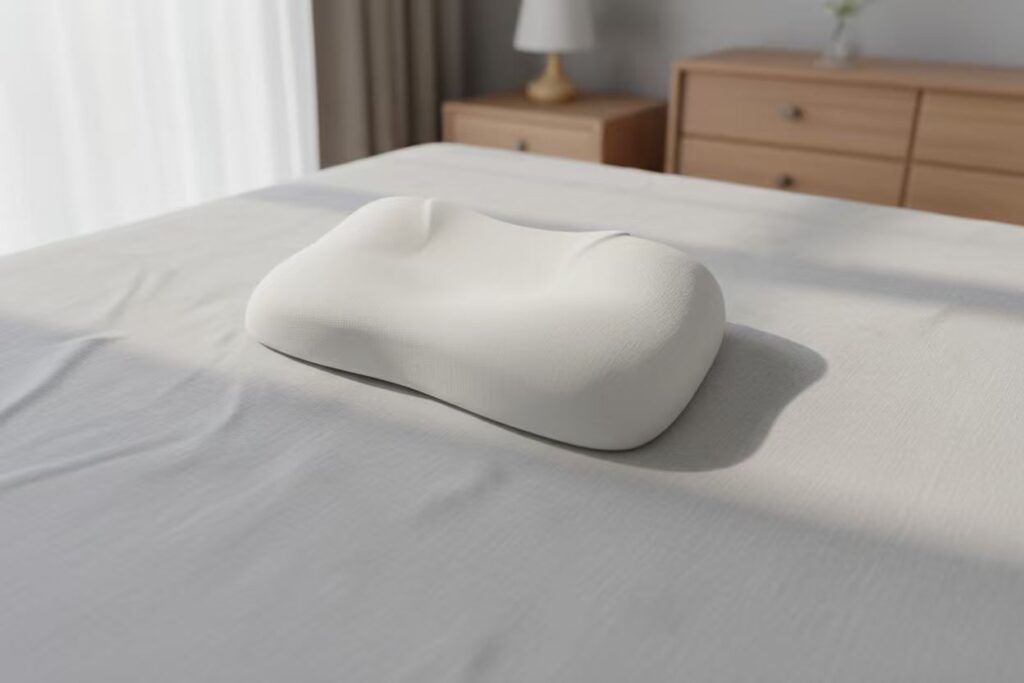
Instead of selecting a pillow simply because it feels soft in the store, consumers should consider:
Do I mainly sleep on my side, back, or stomach?
Is the pillow too high or too low?
Does it provide enough neck support?
Does it retain its shape during the night?
Is the material breathable?
Does the pillow work well with my mattress?
These questions can help shoppers find a pillow that better matches their individual sleeping habits.
From “Insomnia” to Better Sleep: Can a Pillow Make a Difference?
It is important to avoid exaggerated claims. A Deep Sleep Pillow is not a medical treatment for insomnia, sleep apnea, or other sleep disorders.
However, improving sleep comfort can be one part of creating a better bedtime environment. Sleep posture, pillow firmness, pillow placement, mattress firmness, room temperature, stress, and bedtime habits can all influence the overall sleep experience.
For people who regularly wake up with neck discomfort or feel that their current pillow is uncomfortable, changing the pillow may be a reasonable first step in improving their sleep setup. Sleep Foundation also recommends seeking professional advice if sleep posture is associated with persistent pain or ongoing problems.
In other words, the goal of a Deep Sleep Pillow should not be presented as “curing insomnia.” Instead, it should be positioned around ergonomic comfort, appropriate support, better sleep posture, and a more relaxing sleep environment.
Why Is the Deep Sleep Pillow Trend Growing Now?
The rise of sleep-focused products is closely connected to a larger consumer interest in wellness and nighttime routines.
In 2026, “sleepmaxxing” and other sleep-optimization trends have brought greater attention to products that can improve the bedroom environment, from pillows and eye masks to sleep technology and relaxation products.
At the same time, consumers are becoming more informed. Instead of purchasing bedding based solely on appearance, they increasingly compare:
Support + Comfort + Material + Breathability + Sleeping Position
This combination gives the Deep Sleep Pillow an interesting position within the modern sleep-products market.
A pillow is relatively affordable compared with replacing a mattress, yet it can have a noticeable impact on how the head and neck feel during sleep. That makes upgrading a pillow an attractive option for people who want to improve their bedroom without making a major lifestyle change.
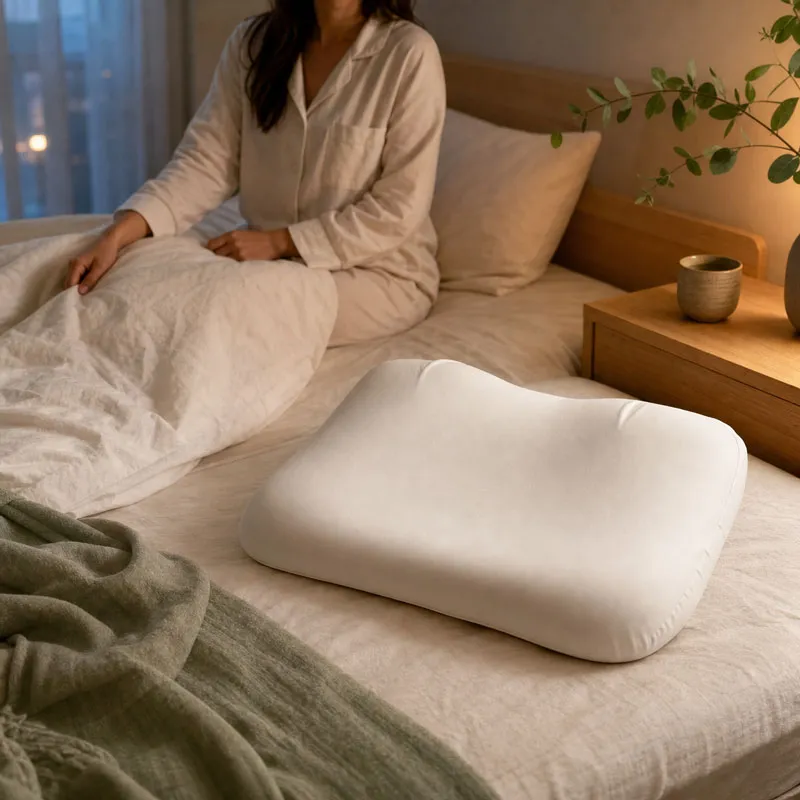
How to Choose the Right Deep Sleep Pillow?
Before buying a Deep Sleep Pillow, consider the following factors.
Sleeping Position
Your primary sleeping position should be the starting point. Side sleepers typically need greater loft, while back sleepers often prefer medium support. Stomach sleepers usually need a lower profile.
Pillow Height
Higher does not automatically mean better. The ideal height depends on your body shape, sleeping position, and mattress.
Firmness
A pillow should feel supportive without creating excessive pressure. Some sleepers prefer a softer surface, while others need a firmer structure to maintain consistent support.
Material
Memory foam, latex, down alternatives, and other materials offer different combinations of softness, responsiveness, durability, and breathability. Material choice should match personal comfort preferences.
Breathability
For people who tend to sleep hot, breathable covers and temperature-regulating materials can be important considerations. Pillow testing methodologies also identify breathability and temperature regulation as relevant factors in evaluating pillow comfort.
Deep Sleep Pillow: More Than Just a Bedroom Accessory
The renewed attention toward Deep Sleep Pillow products reflects a fundamental change in how people think about sleep.
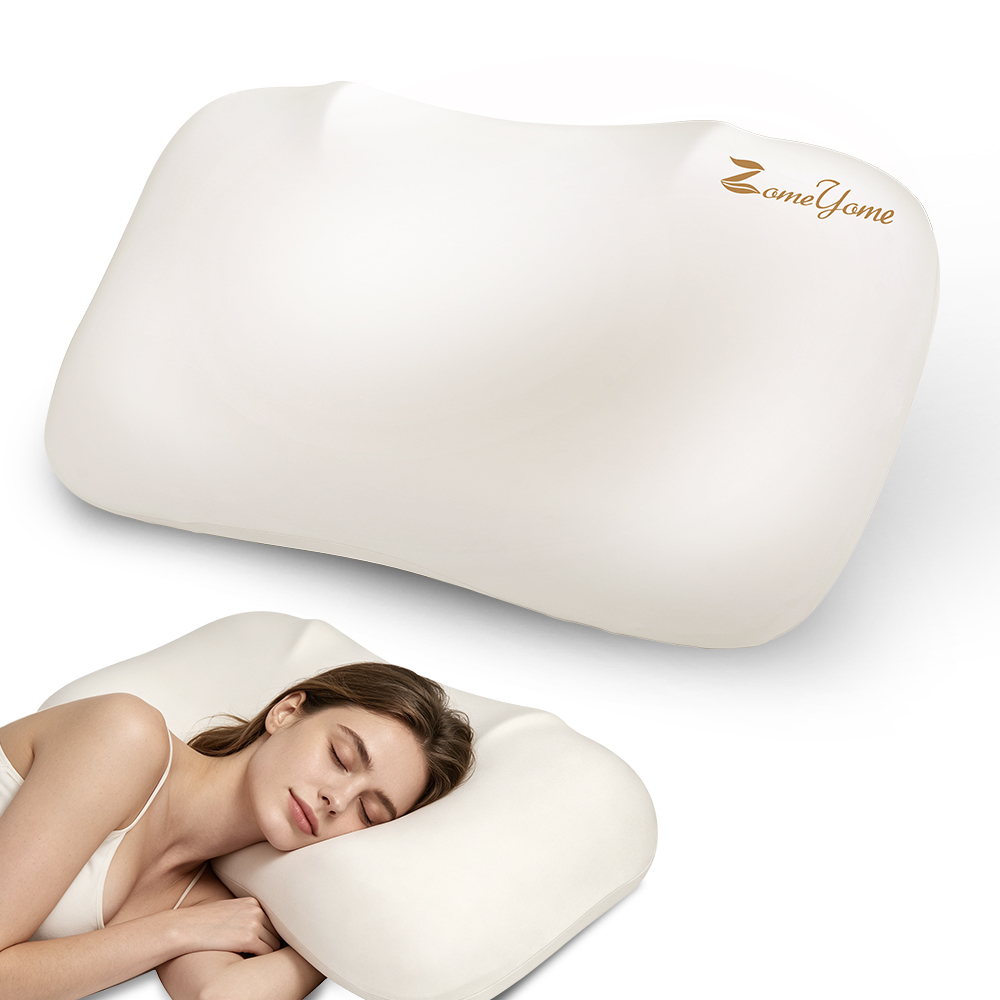
A pillow is no longer simply a soft object placed under the head. It can be part of an ergonomic sleep system designed around body position, neck support, comfort, temperature, and individual preferences.
The best pillow is not necessarily the most expensive one or the softest one. It is the one that fits your sleeping position, provides comfortable support, and allows you to relax without constantly adjusting your head and neck.
For consumers searching for a more comfortable nighttime routine, the Deep Sleep Pillow represents a simple and practical place to start.
Conclusion
The journey from “insomnia” to better sleep rarely has one universal solution. Healthy sleep depends on many factors, including consistent routines, a suitable sleep environment, stress management, and individual health conditions.
Nevertheless, your pillow is something you use every night, making it an important part of your sleep environment.
With growing interest in ergonomic bedding and sleep optimization, the Deep Sleep Pillow is gaining attention because it combines a familiar product with a more modern focus on support, comfort, sleeping posture, and personalized sleep needs.
If your current pillow is too high, too low, too soft, too firm, or simply uncomfortable, upgrading it may be a worthwhile part of creating a more comfortable bedtime routine. The key is to choose based on your sleeping position and personal comfort—not simply marketing claims.
Better sleep starts with better habits, and sometimes, it can also start with something as simple as choosing the right pillow.
Deep Sleep Pillow FAQ
Q1: What is the Deep Sleep Pillow?
A: The Deep Sleep Pillow is a pillow designed to improve sleep comfort, focusing on head and neck support, sleeping posture adaptation, and overall relaxation to help users create a more secure and comfortable sleep environment.
Q2: Who is the Deep Sleep Pillow suitable for?
A: Suitable for people who sit for long periods at work, have a fast-paced lifestyle, feel easily fatigued, or want to improve sleep comfort. Users with different sleeping positions can choose the appropriate height and support according to their personal habits.
Q3: Is the Deep Sleep Pillow suitable for both back and side sleepers?
A: The product design accommodates various sleeping positions. Back sleepers usually focus more on natural neck support, while side sleepers need more adequate shoulder and neck support. It is recommended to choose based on individual body type, shoulder width, and sleeping habits.
Q4: Do I need to adapt when using it for the first time?
A: Because everyone has different preferences for pillow height, firmness, and support, it may take some time to adapt when using it for the first time. It is recommended to use it continuously for several nights and adjust your sleeping position according to your actual comfort level.
Q5: Can the Deep Sleep Pillow be washed?
A: It is recommended to clean it according to the product label or instructions. Generally, the pillowcase can be removed and washed separately, but the pillow core should not be machine washed or exposed to direct sunlight to maintain its shape and support.
Q6: How to choose the right pillow height for myself?
A: When choosing, you should consider your sleeping posture, shoulder width, body type, and personal preference. Generally speaking, side sleeping may require relatively higher support, back sleeping is suitable for medium height, and stomach sleeping is usually suitable for lower pillows.
Q7: Can the Deep Sleep Pillow improve insomnia?
A: The Deep Sleep Pillow is mainly used to improve comfort and support during sleep and cannot replace medical diagnosis or treatment. If you have persistent severe insomnia, pain, or other sleep problems, it is recommended to consult a professional doctor.
Q8: What is the difference between the Deep Sleep Pillow and a regular pillow?
A: The Deep Sleep Pillow emphasizes fit, support, and relaxation during sleep, aiming to help users achieve a more comfortable sleep experience. Actual sensations may vary depending on individual body type, sleeping position, and usage habits.