
Table of Contents
Introduction to Cervical Support Pillows
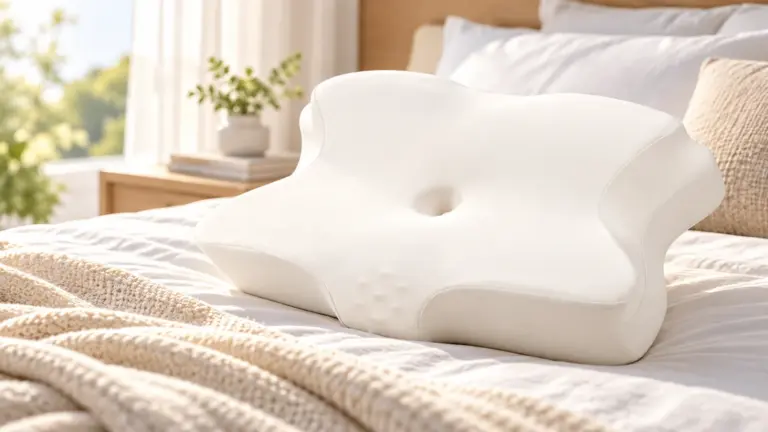
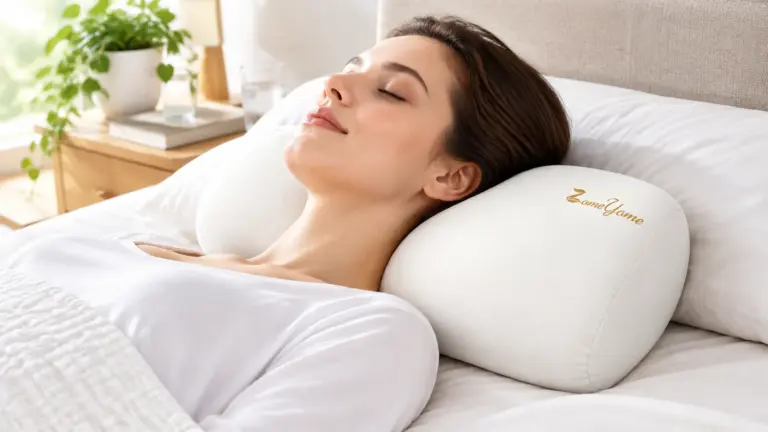
Cervical support pillows have emerged as a preferred choice for many individuals suffering from neck pain. Designed with ergonomic principles in mind, these pillows provide targeted support to the neck and help maintain proper spinal alignment during sleep. Understanding their unique features can significantly enhance your sleep quality and overall well-being.
How Cervical Support Pillows Work for Neck Pain Relief
The primary function of a cervical support pillow is to support the natural curve of the cervical spine. By keeping the head, neck, and shoulders aligned, these pillows can alleviate pressure on the vertebrae and muscles, thereby reducing pain and stiffness. According to research, such support can lead to improved sleep posture and reduced neck discomfort.
Comparison of Materials: Latex, Memory Foam, and More
Cervical pillows are available in various materials, each offering distinct benefits:
- Latex: Known for its durability and responsiveness, latex pillows provide excellent support while conforming to the head and neck.
- Memory Foam: This material adapts to your shape, offering personalized comfort and pressure relief. It is particularly beneficial for individuals with chronic neck pain.
- Buckwheat: Filled with natural buckwheat hulls, these pillows are adjustable and provide firm support, ideal for maintaining spinal alignment.
Importance of Pillow Height and Shape for Different Sleep Positions
The height and shape of a cervical pillow are crucial factors in determining its effectiveness. Side sleepers often require thicker pillows to fill the space between the head and the mattress, while back sleepers benefit from lower-profile options that support the natural curve of the neck. Consider the following guidelines:
- Side Sleepers: Look for a pillow with a loft of 4-6 inches.
- Back Sleepers: A loft of 2-4 inches is ideal.
- Stomach Sleepers: A thinner pillow (around 2 inches) can help prevent neck strain.
Adjustment Period: What to Expect When Switching Pillows
Transitioning to a cervical support pillow may require an adjustment period. Users often report initial discomfort as their bodies adapt to the new support. It’s recommended to allow at least two weeks for your body to acclimate before deciding if the pillow suits your needs. During this period, consider how your neck and spine feel upon waking.
User Testimonials and Expert Recommendations
Many users have found significant relief from neck pain after switching to cervical support pillows. Experts suggest choosing a pillow based on your specific sleep position and personal comfort preferences. Always consult with a healthcare professional if you have ongoing neck issues.
Conclusion and Call to Action
If you’re seeking relief from neck pain and improving your sleep quality, consider investing in a cervical support pillow. Explore the options available at ZomeYome to find the perfect fit for your sleeping needs.
Authoritative reference: The 10 Best Pillows For Neck Pain To Ease Aches And Stiffness.
FAQ
What is the best cervical support pillow for side sleepers?
The best cervical support pillow for side sleepers typically has a higher loft to ensure proper alignment of the neck and spine.
How long does it take to adjust to a new cervical pillow?
Most people require about two weeks to adjust fully to a new cervical pillow.
What materials are best for cervical support pillows?
Memory foam and latex are among the best materials for cervical support pillows due to their supportive properties.
Can cervical pillows help with headaches?
Yes, by maintaining proper neck alignment, cervical pillows can help reduce tension and alleviate headache symptoms.
What is the return policy for cervical support pillows?
Return policies vary by brand, so it’s essential to check the specific terms before purchasing.