
Table of Contents
What Is an Ergonomic Contour Pillow?
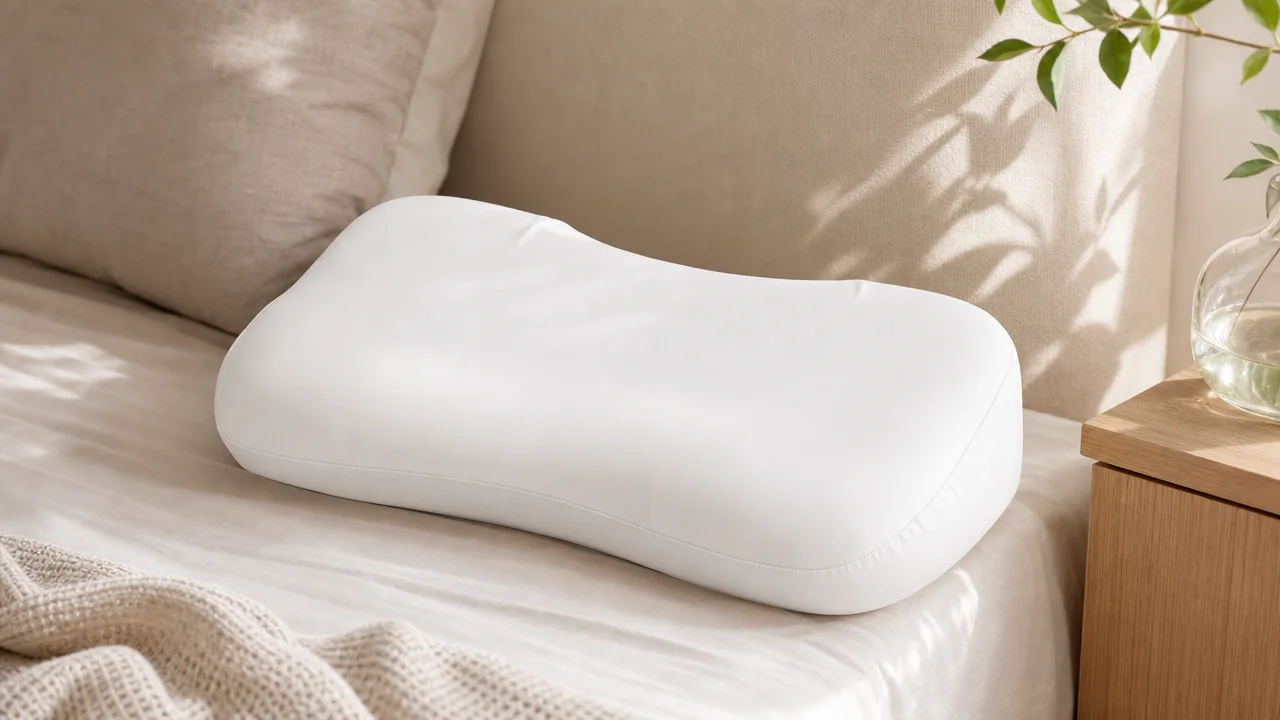
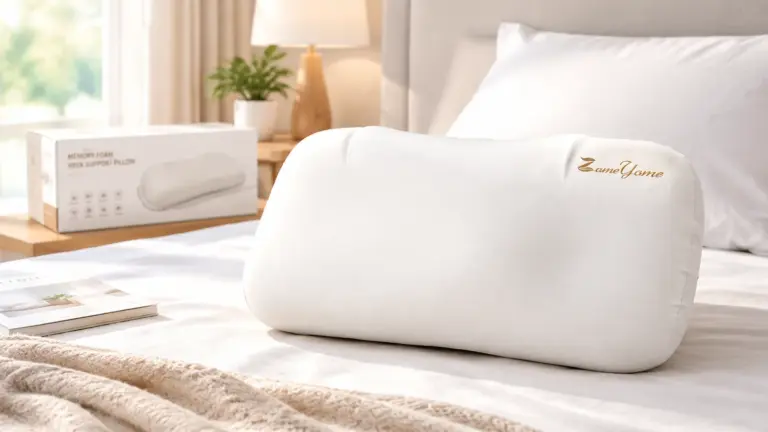
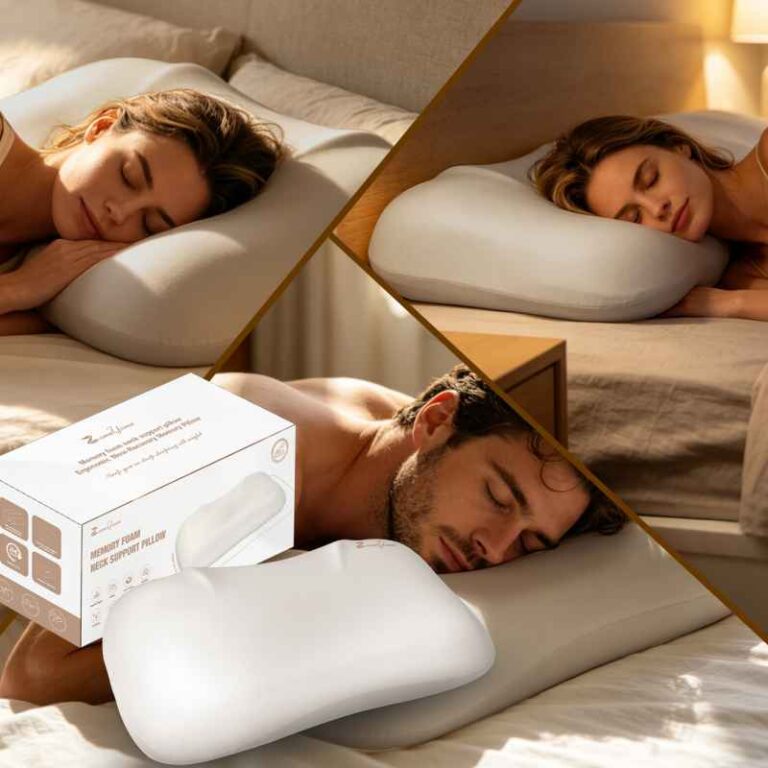
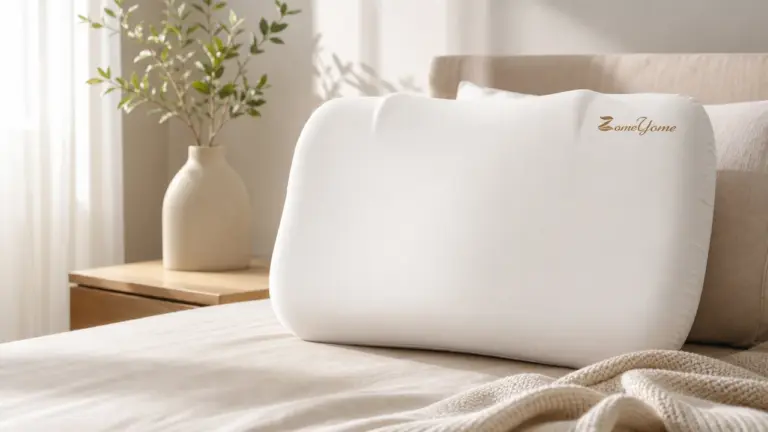
An ergonomic contour pillow is a specially designed pillow that features a sculpted surface with raised edges and a central depression to cradle your head and support the natural curve of your neck. Unlike standard pillows that force your neck to bend at an unnatural angle, contour pillows maintain proper spinal alignment from your head through your shoulders. This targeted support can help reduce morning stiffness, ease shoulder tension, and improve overall sleep quality.
If you wake up with a sore neck or numb arms, you may benefit from switching to a cervical support pillow. The key is choosing the right material, loft, and firmness for your body type and sleep position.
How Contour Pillows Support Spinal Alignment
Your spine has a natural S-curve. When you lie on your side or back, a flat or overly thick pillow can disrupt that curve, putting pressure on the cervical vertebrae. A contour pillow fills the gap between your head and the mattress while keeping your neck in a neutral position.
Research indicates that pillow height and shape significantly affect neck muscle activity and waking pain (source: PubMed study on pillow design and neck pain). Contour pillows are engineered to distribute head weight evenly and reduce pressure points, which may help alleviate chronic neck and shoulder discomfort.
Best practice: If you frequently wake with headaches or a stiff neck, try a contour pillow and monitor improvement over two to three weeks.
Material Deep-Dive: Memory Foam vs. Latex
The two most common materials in ergonomic contour pillows are memory foam and latex. Each has distinct characteristics that affect feel, support, and durability.
Memory Foam
Memory foam molds to your body shape in response to heat and pressure. It offers slow rebound, which cradles the head and neck. Many users find it comfortable for side sleeping because it relieves pressure on the shoulder. However, traditional memory foam can retain heat. Look for gel-infused or open-cell formulations for better breathability.
Latex
Latex is more resilient and bouncier than memory foam. It provides immediate pushback without sinking. Natural latex is derived from rubber tree sap and is often certified organic (GOLS). It’s cooler sleeping and naturally hypoallergenic, but it tends to be firmer and heavier. Some sleepers find latex contour pillows too firm for their preference.
| Feature | Memory Foam | Latex |
|---|---|---|
| Feel | Slow-responding, contouring | Quick-responding, bouncy |
| Support | Pressure-relieving, body-molding | Firm, supportive pushback |
| Temperature | Warmer (improved with cooling layers) | Naturally cool |
| Durability | 3–5 years (high density) | 5–10 years (natural latex) |
| Eco-certifications | CertiPUR-US (standard foam) | GOLS, GOTS (organic latex) |
Best practice: If you prefer a plush, slow-contouring feel and need pressure relief on shoulders, memory foam is a good choice. If you run hot or want a firmer sleep surface, consider latex.
Choosing the Right Loft and Firmness for Your Sleep Position
Loft refers to the pillow’s height. A contour pillow typically has two heights – a lower side for back and stomach sleepers and a higher side for side sleepers. Matching loft to your sleeping position is critical for spinal alignment.
| Sleep Position | Recommended Loft | Firmness Preference |
|---|---|---|
| Side Sleeper | Higher loft (4–6 inches) to fill the gap between ear and shoulder | Medium-firm to firm |
| Back Sleeper | Medium loft (3–5 inches) to support neck curve without tilting head forward | Medium |
| Stomach Sleeper | Low loft (2–4 inches) to minimize neck twist | Soft to medium-soft |
Many modern contour pillows offer dual-height designs, allowing you to flip between two loft options. For example, the zomeyome ergonomic contour pillow features a dual-height design: the lower side (approximately 4.25 inches) suits stomach and back sleepers, while the higher side (approximately 5.75 inches) provides proper neck support for side sleepers.
Best practice: Measure your shoulder width (from neck to shoulder joint). Side sleepers with broader shoulders typically need a higher loft.
Health Benefits for Neck and Shoulder Pain
Using an ergonomic contour pillow can reduce neck stiffness, shoulder soreness, and tension headaches caused by poor sleeping posture. The contoured shape supports the natural cervical lordosis, which can help prevent chronic issues. A systematic review of pillow studies found that appropriate pillow height and shape contribute to reduced neck pain and improved sleep quality (source: NCBI summary on cervical pillows).
Additionally, the extended wing edges on many contour pillows provide arm support, helping prevent arm numbness – a common complaint for side sleepers.
Best practice: If you suffer from migraines or chronic neck pain, consult a healthcare professional before changing your pillow. Use the new pillow for at least one week to allow your body to adjust.
Key Certifications and Safety Standards
When shopping for an ergonomic contour pillow, look for certifications that ensure product safety and environmental responsibility:
- CertiPUR-US – for memory foam: ensures the foam is free from heavy metals, formaldehyde, and ozone depleters.
- GOLS (Global Organic Latex Standard) – for natural latex products.
- GOTS (Global Organic Textile Standard) – for the fabric cover if made from organic cotton.
- OEKO-TEX Standard 100 – for the pillow cover, indicating it’s tested for harmful substances.
Most memory foam pillows from reputable brands meet CertiPUR-US requirements. If you have chemical sensitivities or prefer eco-friendly options, choose a pillow with OEKO-TEX or GOLS certification.
Best practice: Always check the product description or packaging for certification logos. If a brand doesn’t list any certification, ask their customer service.
Care and Cleaning Tips
Proper maintenance extends the life of your contour pillow. Follow these tips:
- Use a removable, washable pillow protector or case. Wash the outer cover every two weeks in cold water and tumble dry low.
- Most contour pillows (especially memory foam) are not machine-washable. Spot clean stains with a mild detergent and damp cloth. Wring out excess water, then air dry completely away from direct sunlight.
- Fluff and rotate the pillow monthly to prevent permanent indentations.
- Replace your pillow every 1–2 years for hygiene and support performance.
Zomeyome ergonomic contour pillow includes a cooling breathable pillowcase that is easy to remove and wash.
Best practice: Avoid soaking the foam core. If you live in a humid area, use a dehumidifier in your bedroom to prevent mold growth.
Buying Guide Summary and Checklist
Before you purchase an ergonomic contour pillow, consider the following:
- Sleep position: Side sleeper? Choose a dual-height design with a higher loft. Back sleeper? Medium loft. Stomach sleeper? Low loft.
- Material: Memory foam for pressure relief; latex for firm support and cooling.
- Firmness: Medium-firm to firm for side/back sleeping; soft for stomach sleeping.
- Certifications: Check for CertiPUR-US, OEKO-TEX, or GOLS if needed.
- Cover: Removable, washable, and breathable.
- Adjustability: Some pillows have a removable inner layer to change loft.
- Return policy: Opt for a brand with a trial period (30+ days).
If you’re ready to try an ergonomic contour pillow, explore the zomeyome collection featuring a butterfly design, dual-height support, and a cooling pillowcase. Visit the zomeyome shop to see options tailored for different sleep positions. For a deeper explanation of cervical neck pillow types and benefits, check our comprehensive guide.
Get better sleep and wake up refreshed – your neck will thank you.
FAQ
What is an ergonomic contour pillow?
An ergonomic contour pillow is a shaped pillow designed to support the natural curve of your neck and maintain spinal alignment. It often has a butterfly or wave shape with a central dip and raised edges.
How does it differ from a regular pillow?
Regular pillows are typically rectangular and uniform in thickness. Contour pillows have a sculpted surface that provides targeted neck support, reducing the risk of waking up with stiffness.
Memory foam or latex for neck pain?
Both can help; memory foam offers deep contouring and pressure relief, while latex provides firm support and stays cooler. Choose based on your comfort preference and sleep position.
Which sleep position works best with contour pillows?
Contour pillows are designed for back and side sleepers. Many models have a dual-height design to accommodate both. Stomach sleepers may need a lower loft contour pillow.
Are contour pillows good for side sleepers?
Yes. Side sleepers benefit from the higher loft side of a contour pillow, which fills the gap between the ear and shoulder and keeps the spine straight.
How do I clean a contour pillow?
Remove the cover and wash it according to care instructions (usually cold water, gentle cycle). The foam core should only be spot-cleaned. Never machine-wash memory foam.
What certifications should I look for?
For memory foam, look for CertiPUR-US. For natural latex, GOLS. For the cover, OEKO-TEX or GOTS if organic cotton.
Can contour pillows help with sleep apnea?
Some studies suggest that an appropriate pillow height can improve airway patency, but contour pillows are not a medical treatment for sleep apnea. Consult your doctor.
Call to Action
Need help selecting the right ergonomic contour pillow solution for your project?