
Table of Contents
Introduction: Why Your Pillow Matters More Than You Think

If you wake up with a stiff neck or shoulder soreness, your pillow might be the culprit. A standard pillow often forces the neck into an unnatural angle, straining muscles and joints throughout the night. A properly designed cervical neck pillow can help maintain the natural curve of your cervical spine, reducing that morning ache and improving sleep quality.
Whether you are a side, back, or stomach sleeper, understanding how a cervical pillow works and what to look for makes a real difference. This guide covers the types, benefits, and selection criteria so you can find the right support for your body.
What Is a Cervical Neck Pillow?
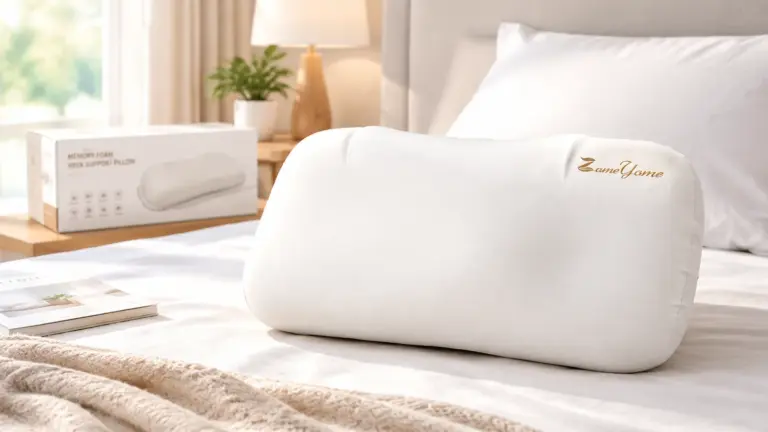
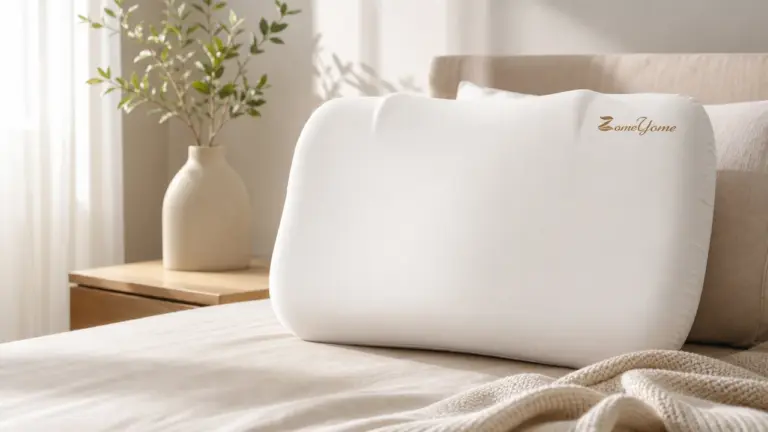
A cervical neck pillow is shaped to support the neck’s natural curve — the gentle inward bend of the cervical spine. Unlike a flat rectangular pillow, a cervical pillow has a contoured surface with a higher edge for the neck and a lower depression for the head. This design keeps your head, neck, and spine in neutral alignment during sleep.
Common shapes include butterfly, contoured, and roll forms. Each targets a different sleeping position and support preference. A recent review by Forbes tested multiple models and highlighted that the right shape and firmness are essential for neck pain relief.
Key Benefits for Sleep and Spine Health
Switching to a cervical neck pillow can offer several benefits, but it is not a medical device. Instead, it helps create an environment that may reduce discomfort.
- Neutral spinal alignment — The pillow supports the cervical curve so your head does not tilt forward or sideways.
- Reduced pressure points — Memory foam or latex contours to your shape, distributing weight evenly.
- Less tossing and turning — When your neck is comfortable, you stay in one position longer, leading to deeper sleep.
- May alleviate neck and shoulder stiffness — Proper support can help muscles relax, especially if you wake up sore.
- Better breathing for side sleepers — A higher loft under the neck keeps the airway open, which can help with mild snoring.
Types of Cervical Pillows: Butterfly, Contour, and Roll
Not all cervical pillows are the same. The shape determines how the pillow interacts with your sleeping position.
Butterfly Pillow
A butterfly pillow features two extended “wings” on the sides and a concave center. This design cradles the head and supports the neck while the wings provide a natural rest for your arms, especially for side sleepers. The middle groove stabilizes the head, reducing rolling. Many butterfly models use memory foam for personalized contouring.
Contour Pillow
This classic style has a wave shape with a raised cervical roll and a lower head depression. It works well for back sleepers because it lifts the neck while allowing the head to sink slightly. Some contour pillows have a gusseted side for adjustable loft.
Roll Pillow
A simple cylindrical roll is placed directly under the neck. It provides firm, targeted support and is often used for cervical traction or traveling. It can be too tall for some sleepers, so position adjustment is key.
| Shape | Best for | Typical loft | Material common |
|---|---|---|---|
| Butterfly | Side & back sleepers | Medium to high | Memory foam, cooling gel |
| Contour | Back sleepers | Medium | Memory foam, latex |
| Roll | Travel, on-demand neck support | High (localized) | Firm foam, buckwheat |
How to Choose: Sleep Position, Material, and Firmness
Selecting the right cervical neck pillow depends on three factors.
1. Sleep Position
- Back sleepers need a medium loft with a contour that supports the neck curve without pushing the head too far up. A butterfly or contoured shape often works.
- Side sleepers require a higher loft to fill the gap between the ear and shoulder. Butterfly pillows with wide wings provide arm comfort and keep the spine level.
- Stomach sleepers should choose a very low loft (almost flat) to avoid neck strain. Some cervical pillows offer a removable layer to reduce height.
2. Material
- Memory foam molds to your shape and offers pressure relief. Look for open-cell or gel-infused versions for breathability.
- Latex is more responsive and cooler than standard memory foam. It offers bounce and support without sinking.
- Down alternative or fiber fill is adjustable but generally provides less targeted support for neck alignment.
3. Firmness
Firmness is personal. A pillow that is too soft will not hold the cervical curve; one that is too firm can push the neck forward. Many brands offer medium or medium-firm options. Adjustable pillows (with removable inserts) allow you to fine-tune the loft.
Conclusion: Find Your Best Match
A cervical neck pillow can be a simple change with meaningful effects on your sleep and daily comfort. Start by identifying your sleeping position, then choose a shape and material that fits your body. Give yourself a few nights to adapt — your neck will thank you.
If you are ready to explore a cervical neck pillow designed for all-night support, check out our selection. For more sleep tips, visit our blog. We also invite you to learn more about our approach to ergonomic sleep products.
FAQ
How do I use a cervical pillow for neck pain?
Place the contoured side under your neck so the higher edge supports the cervical curve. For butterfly pillows, lay your head in the center cavity and let the wings cradle your neck. It may take a few nights to adjust.
Is a cervical pillow good for side sleepers?
Yes, but choose a butterfly shape or a high-loft contour pillow. Side sleepers need enough height to keep the spine horizontal. Many side sleepers find butterfly pillows comfortable because the wings also support the arm.
Can I wash my cervical pillow?
Memory foam pillows should not be machine washed. Use a removable, washable cover instead. Spot clean the foam with a damp cloth when needed.
How long does a cervical pillow last?
Typically 18–24 months. Memory foam gradually loses its supportive contour. If you notice the pillow no longer bounces back or you wake up with pain, it is time to replace it.
What is the difference between cervical and orthopedic pillows?
The terms are often used interchangeably. Orthopedic pillows usually refer to any pillow designed for therapeutic support, while cervical pillows specifically target the neck curve. Both aim to maintain neutral spine alignment.
Call to Action
Need help selecting the right cervical neck pillow solution for your project?