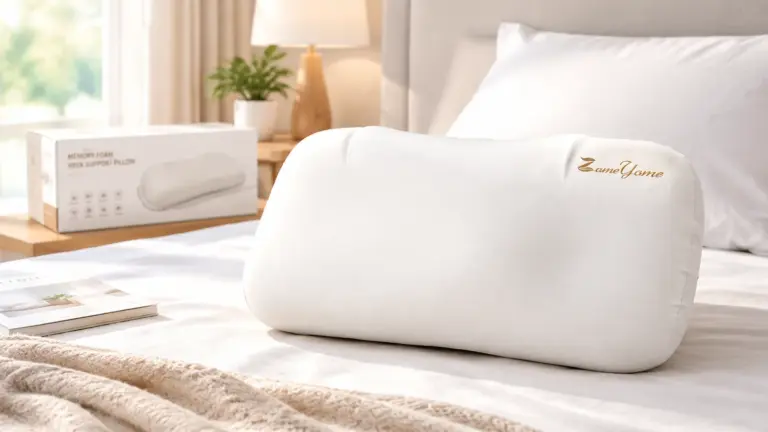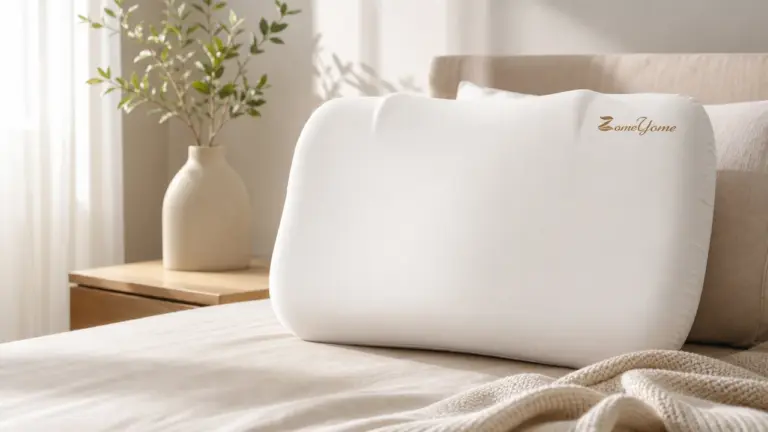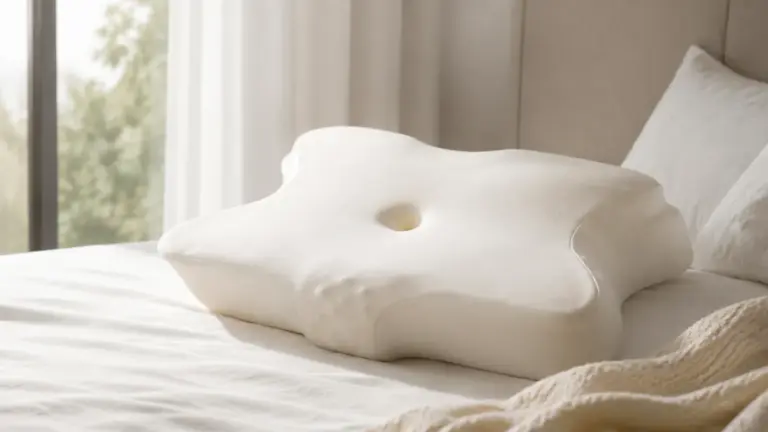

Discover how an ergonomic zero‑pressure support pillow with cooling technology helped one chronic insomnia sufferer finally achieve deep, restorative sleep—and how you can too.
Introduction: One Woman’s Journey from Sleepless Nights to Morning Relief
For years, Sarah Mitchell thought her restless nights were just part of life. As a 42‑year‑old graphic designer spending long hours at her desk, she had grown accustomed to waking up with a stiff neck, dull headaches, and that familiar feeling of exhaustion that no amount of coffee could fix. “I’d toss and turn all night, constantly fluffing my pillow, trying to find a position that didn’t hurt,” she recalls. “By morning, my neck and shoulders felt worse than when I went to bed.”
Like millions of people who struggle with chronic neck pain and poor sleep posture, Sarah had tried everything—from expensive memory foam pillows that went flat within months to firm orthopedic models that felt like sleeping on a brick. Nothing worked.
Then she discovered the Zero‑Pressure Support Pillow—and everything changed.
“The first night I used it, I woke up without that familiar ache in my neck,” Sarah says. “After a week, I realized I wasn’t waking up in the middle of the night anymore. For the first time in years, I was actually sleeping through the night.”
What Makes a Zero‑Pressure Support Pillow Different?
The Science Behind Zero‑Pressure Technology
The Zero‑Pressure Support Pillow isn’t just another memory foam pillow—it represents a fundamental advancement in sleep ergonomics. At its core is a specially formulated zero‑pressure memory foam that responds to body heat and weight, creating a customized sleep surface that adapts to your unique contours.
Unlike traditional pillows that push back against your head and neck with equal force, zero‑pressure foam distributes weight evenly across a larger surface area. This reduces pressure points—the specific spots where your head and neck bear the most weight—allowing muscles to fully relax rather than constantly tensing to maintain alignment.
The science is straightforward: when you lie on a conventional pillow, your head sinks into the material, but the neck often remains unsupported or over‑elevated. This forces your cervical spine out of its natural alignment, leading to muscle strain, reduced blood flow, and disrupted sleep.
A properly designed ergonomic contour pillow solves this problem with a carefully engineered shape. Most Zero‑Pressure Support Pillows feature a dual‑height ergonomic design:
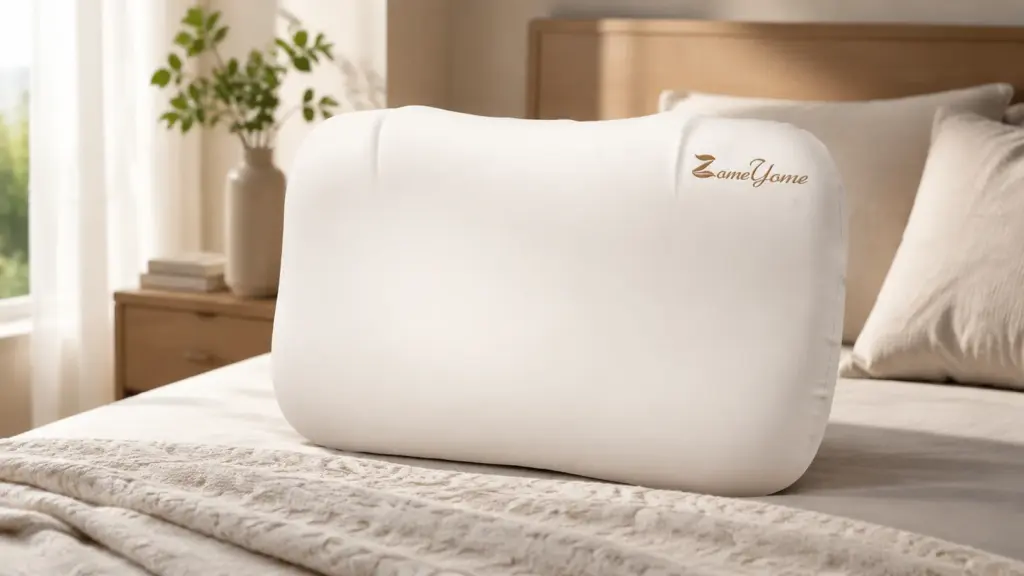
A recessed center that cradles the head for back sleepers, maintaining the natural 15‑to‑20‑degree forward curve of the cervical spine
Contoured sides that provide higher, firmer support for side sleepers, keeping the neck aligned with the spine
Key Features of Quality Zero‑Pressure Support Pillows
When shopping for a cervical neck support pillow for pain relief, look for these essential features:
High‑Density Memory Foam – The best zero‑pressure pillows use 70D memory foam or higher, which offers superior durability and support compared to standard 45D foam. Lower‑density foams (below 40D) tend to collapse within months, while higher‑density options maintain their shape through years of use.
Cooling Technology – Many premium zero‑pressure support pillows incorporate breathable, moisture‑wicking cover materials like Arc‑Chill cooling fabric, which helps regulate temperature and prevent night sweats.
Removable, Washable Cover – Hygiene matters. Look for pillows with machine‑washable pillowcases that are easy to clean and maintain.
Hypoallergenic Certifications – Certifications like OEKO‑TEX, CERTIPUR‑US, and REACH indicate that the pillow is free from harmful substances and safe for sensitive sleepers.
Sarah’s Story: How the Zero‑Pressure Support Pillow Changed Everything
The Breaking Point
Sarah’s sleep problems had been building for years. “I’d wake up with my arm completely numb from sleeping on it wrong,” she explains. “My husband said I snored—which I never did before—and I was always tired during the day.”
She tried pillow after pillow: a buckwheat hull option that felt like gravel, a down pillow that went flat within weeks, and even a U‑shaped travel neck pillow that she hoped might provide some relief. Nothing worked.
“I was spending a fortune on pillows and getting nowhere,” Sarah says.
The Discovery
A friend recommended she try a zero‑pressure cervical pillow—specifically one with cooling technology and ergonomic contouring. Skeptical but desperate, Sarah ordered one.
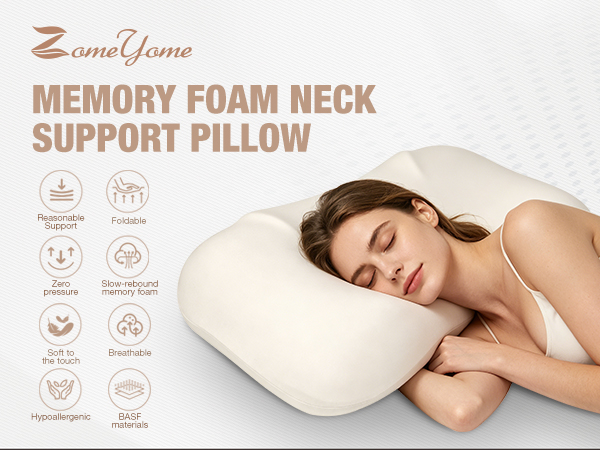
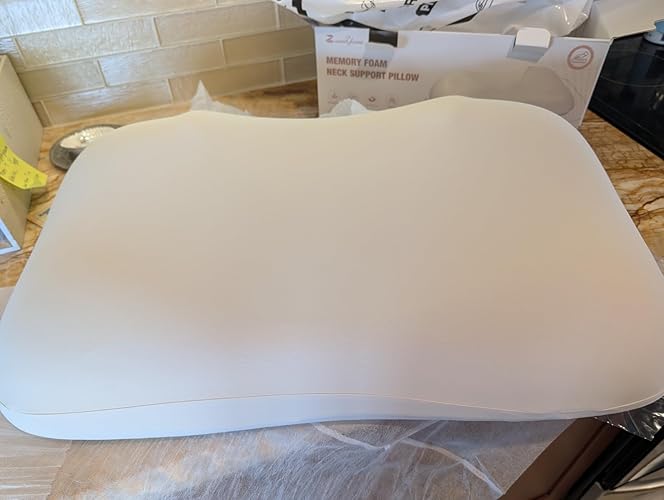
“The first thing I noticed was the shape,” she recalls. “It wasn’t just a rectangle—it had this curved design that actually looked like it was made for a neck, not just a head.”
The dual‑height edges meant she could choose the side that best suited her sleeping position. As a combination back and side sleeper, Sarah appreciated having options.
The Transformation
“The first night, I could feel the difference immediately,” Sarah says. “My head sank into that zero‑pressure foam perfectly—not too soft, not too firm. The cooling pillowcase kept me from overheating, which had always been a problem with other memory foam pillows.”
Within a week, Sarah noticed dramatic changes:
No more morning neck stiffness – “I used to wake up and have to stretch my neck for five minutes just to turn my head. Now I wake up feeling loose and relaxed.”
Deeper, uninterrupted sleep – “I’m not waking up multiple times a night anymore. I actually feel rested in the morning.”
Reduced shoulder tension – “My shoulders don’t feel like they’re permanently hunched up around my ears.”
“I’ve tried quite a few pillows over the years,” Sarah says, echoing the experience of many satisfied users, “and this is one of the most comfortable. It feels supportive in different sleeping positions and stays in shape all night.”
Who Benefits Most from a Zero‑Pressure Support Pillow?
Side Sleepers
Side sleepers often struggle with pillows that are too low, causing the neck to bend sideways, or too high, forcing the head upward. A zero‑pressure support pillow for side sleepers provides the extra height needed to keep the spine straight, while the contoured shape cradles the shoulder and prevents pressure on the ear.
Back Sleepers
Back sleepers need a pillow that supports the natural curve of the cervical spine without pushing the head too far forward. The recessed center of a contour pillow allows the head to rest slightly lower while the neck receives elevated support, maintaining that crucial 15‑to‑20‑degree angle.
Stomach Sleepers
While stomach sleeping isn’t generally recommended, those who prefer this position benefit from a thinner pillow that doesn’t hyperextend the neck. Many zero‑pressure pillows offer a lower‑profile option on one side to accommodate stomach sleepers.
People with Chronic Neck or Shoulder Pain
For those suffering from cervical spine issues, degenerative disc disease, or chronic tension, a zero‑pressure orthopedic pillow can provide meaningful relief. The even weight distribution reduces strain on sensitive areas, allowing muscles to relax rather than constantly compensating for poor alignment.
Couples and Gift‑Givers
The Zero‑Pressure Support Pillow also makes an excellent gift. Many manufacturers offer pillow gift kits that include matching pillows for couples or complete sleep sets with pillowcases and accessories. As one reviewer noted, “My wife ordered one after seeing mine. We now both sleep better and wake up without neck stiffness.”
Technical Specifications: What to Look For
Density Matters
Memory foam density is measured in D (Density). For a zero‑pressure support pillow:
40D–50D: Standard quality, suitable for occasional use
60D–70D: Premium quality, offering better support and durability
Above 80D: May feel too firm for most users
Shape and Design
The best ergonomic neck pillows feature:
Dual‑height design with different elevations for different sleeping positions
Contoured center that cradles the head while supporting the neck
Gradual transitions between zones to prevent uncomfortable ridges
Cover Material
Look for:
Breathable, moisture‑wicking fabrics like cooling nylon blends
Removable, machine‑washable covers for easy cleaning
Hypoallergenic materials certified free from harmful substances
Conclusion
Sarah’s story isn’t unique—thousands of people have found relief from chronic neck pain, restless sleep, and morning stiffness by switching to a Zero‑Pressure Support Pillow. The combination of scientifically engineered zero‑pressure foam, ergonomic contouring, and cooling technology creates a sleep environment that truly supports restorative rest.
“I used to dread going to bed because I knew I’d wake up hurting,” Sarah reflects. “Now I actually look forward to it. My Zero‑Pressure Support Pillow didn’t just change my sleep—it changed my whole day. I have more energy, less pain, and I finally feel like myself again.”
Whether you’re a side sleeper struggling with alignment, a back sleeper seeking better neck support, or someone simply tired of waking up stiff and sore, the right pillow can make all the difference. Don’t settle for another night of poor sleep—invest in the zero‑pressure support your body deserves.
Buying Guide: Key Considerations for Purchasing a Zero‑Pressure Support Pillow
When selecting a Zero‑Pressure Support Pillow for your needs, keep these factors in mind:
- Identify Your Sleeping Position – Side sleepers need higher loft; back sleepers need medium loft; stomach sleepers need lower loft. Look for pillows with dual‑height designs that accommodate multiple positions.
- Check the Density – Opt for 60D–70D memory foam for the best balance of comfort and durability. Lower densities may collapse quickly; higher densities may feel too firm.
- Test the Rebound – Quality zero‑pressure foam should have a slow rebound of 3‑5 seconds. This delayed response is what allows the foam to absorb impact and distribute pressure evenly.
- Consider Cooling Features – If you tend to sleep hot, look for pillows with cooling technology like Arc‑Chill fabric or open‑cell foam structures that enhance airflow.
- Verify Certifications – Look for OEKO‑TEX, CERTIPUR‑US, or REACH certifications to ensure the pillow is free from harmful chemicals.
- Check the Cover – Ensure the pillowcase is removable and machine‑washable for easy maintenance.
- Read Reviews – Look for real‑user feedback about comfort, durability, and effectiveness for your specific sleep concerns.
- Consider Gift Options – If buying for someone else, look for pillow gift kits that include complete sets with multiple pillows or accessories.
For professional‑grade Zero‑Pressure Support Pillows with advanced cooling technology and ergonomic design, contact Zomeyome directly for product specifications, custom configurations, and bulk pricing.
Frequently Asked Questions
Q: What is a Zero‑Pressure Support Pillow?
A: A Zero‑Pressure Support Pillow is an ergonomic pillow made from specialized memory foam that distributes weight evenly across the head and neck, reducing pressure points and promoting proper spinal alignment.
Q: How does a zero‑pressure pillow differ from regular memory foam?
A: Regular memory foam simply conforms to shape; zero‑pressure foam is engineered with specific density and viscoelastic properties to actively reduce pressure points and provide optimal support.
Q: Is a zero‑pressure pillow good for side sleepers?
A: Yes. Many zero‑pressure support pillows for side sleepers feature contoured sides with higher loft to keep the neck aligned with the spine.
Q: How long does a zero‑pressure pillow last?
A: High‑quality 70D memory foam pillows can maintain their shape through years of regular use. Industry tests show less than 5% height loss after over 5,000 compression cycles.
Q: Can a zero‑pressure pillow help with neck pain?
A: Yes. The even pressure distribution and ergonomic contouring of a cervical neck support pillow for pain relief can reduce tension and alleviate morning stiffness.
Q: Does the pillow come with a cooling cover?
A: Many premium models include cooling technology pillowcases made from breathable, moisture‑wicking fabrics that help regulate temperature.
Q: Is the pillowcase washable?
A: Most zero‑pressure pillows feature removable, machine‑washable covers for easy cleaning and maintenance.
Q: What certifications should I look for?
A: Look for OEKO‑TEX, CERTIPUR‑US, or REACH certifications, which indicate the pillow is free from harmful substances.
Q: Can I use this pillow if I have allergies?
A: Yes. Hypoallergenic zero‑pressure memory foam and certified materials make these pillows suitable for allergy sufferers.
Q: Is a zero‑pressure pillow a good gift?
A: Absolutely. Many manufacturers offer pillow gift kits with complete sets, making them thoughtful gifts for anyone struggling with sleep issues.